

1. Why Carbs Are Essential in Endurance Sports
🔬 Energy Metabolism 101
During endurance activities, your body gets its fuel from two main sources: fats and carbohydrates. While both are important, carbs play a leading role—especially when training gets tough.
Carbohydrates are the body's preferred fuel because they:
-
Convert to energy (ATP) faster than fat
-
Require less oxygen per ATP unit
-
Stay available even at high intensity, where fat becomes inefficient
⚡ Intensity Determines Fuel Use
| Category | Score |
|---|---|
| Design | /10 |
| Geometry | /10 |
| Value | /10 |
| Overall | NaN/10 |
As intensity rises, fat metabolism slows. Carbs become your only option for rapid, high-output energy.
🧬 Glycogen: Small Tank, Big Role
Glycogen is how your body stores carbs—in muscles (≈ 300–400 g) and the liver (≈ 100 g). During hard efforts, these stores can run low in 60–90 minutes.
Without external carbs, you risk:
-
Bonking (energy crash)
-
Loss of coordination and focus
-
Weaker immune system post-workout
🍭 Why You Need a Carb Mix
Your body absorbs different carbs through different gut transporters:
-
Glucose / Maltodextrin → via GLUT-2
-
Fructose → via GLUT-5
These work in parallel. If you only take glucose, your absorption maxes out at ~60 g/h. Beyond that: stomach trouble.
But a Glucose + Fructose mix can push that to 90–120 g/h with proper gut training.
That’s why top sports nutrition uses blends of carbs: better absorption, better performance, fewer gut issues.
2. Types of Carbs – Fast vs. Slow
a) Fast Carbs (For Racing)
| Category | Score |
|---|---|
| Design | /10 |
| Geometry | /10 |
| Value | /10 |
| Overall | NaN/10 |
🧠 Pro Tip: Maltodextrin + Fructose = “Double Turbo”
b) Slow Carbs (For Long Rides)
| Category | Score |
|---|---|
| Design | /10 |
| Geometry | /10 |
| Value | /10 |
| Overall | NaN/10 |
👉 Start with Isomaltulose—easy on the stomach!
3. How Much Do You Need?
Step-by-Step Formula
-
Weigh yourself (e.g., 70 kg)
-
Choose your effort level:
-
Easy (can chat): 0.5–1.0 g/kg
-
Moderate (breathless, but can talk): 1.0–1.5 g/kg
-
Hard (no talking): 1.5–2.0 g/kg
🧮 Example (70 kg, moderate): 70 × 1.0 = 70 g carbs/hour
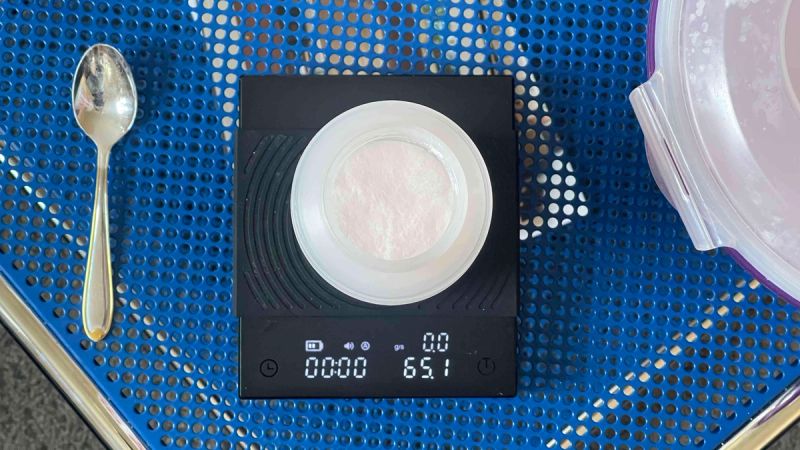
60 gram carbs on 500ml
4. Two Key Carb Mixes
a) Race Mix – For All-Out Efforts
Per 100 g powder:
-
53 g Maltodextrin
-
43 g Fructose
-
4 g Electrolytes (Na, K, Mg, Ca)
Use for: Races, intervals, max efforts
🎉 Flavor Tip: Add granulated iced tea for a budget boost!
b) Endurance Mix – For Long, Steady Rides
Per 100 g powder:
-
86 g Isomaltulose
-
8 g Maltodextrin
-
4 g Electrolytes (Na, K, Mg, Ca)
Use for: Long Z2 sessions, casual Sunday rides
🎉 Flavor Tip: Granulated iced tea also works great here!
5. Gut Training: Don’t Shock Your Stomach
| Category | Score |
|---|---|
| Design | /10 |
| Geometry | /10 |
| Value | /10 |
| Overall | NaN/10 |
🧪 Always test during training—not on race day!
DIY Starter Mix:
-
50 g Maltodextrin
-
50 g Isomaltulose
-
Pinch of salt
-
Mix with 500 ml water
6. Avoid These Common Mistakes
-
❌ “I’ll just use table sugar” → sugar crash + gut issues
-
❌ “More is better” → > 60 g/h without gut training = stomach pain
-
❌ “I forgot electrolytes” → cramps incoming!
7. First-Time Checklist
✅ Mix a light solution (e.g., 30 g Maltodextrin + 500 ml water)
✅ Try on an easy ride (not a race!)
✅ Listen to your gut
✅ After 1 hour, ask: Energy OK? Any discomfort?
“Train your gut like you train your legs.”
8. Science Made Simple
-
Race Mix: Dual carb pathways (2-lane highway)
-
Endurance Mix: Steady release (drip-feed IV)
📚 Fun Fact: Elite athletes can absorb up to 120 g carbs/hour—most should start at 30–40 g/h.
Final Thoughts
-
Start small, mix smart
-
Progress week by week
-
Customize based on your gut
“The best carb mix means nothing if your stomach quits. Be patient—fuel smart.”


